Help the Bees
Simple things you can do to make a difference for pollinators.
Why Bees Need Your Help
Bee populations have declined significantly in recent decades due to habitat loss, pesticide use, disease, and climate change. But there are simple, practical things everyone can do to help — even in a small garden or window box.
Planting Bee Friendly Flowers
Planting bee friendly flowers is a great way to help both honey bees and native solitary bees. The important thing to remember is to plant a diverse range of flowers. This is the best thing you can do to support the bees health as just like humans they need a balanced diet!
Don't be disheartened if you do plant bee friendly flowers and you never see the bees on them. Flowers produce their nectar at different times of day and the bees will learn this and only visit at those times to save wasted trips! Try going into your garden at a different time of day and you might find a huge number of bees hard at work collected the nectar and pollen!
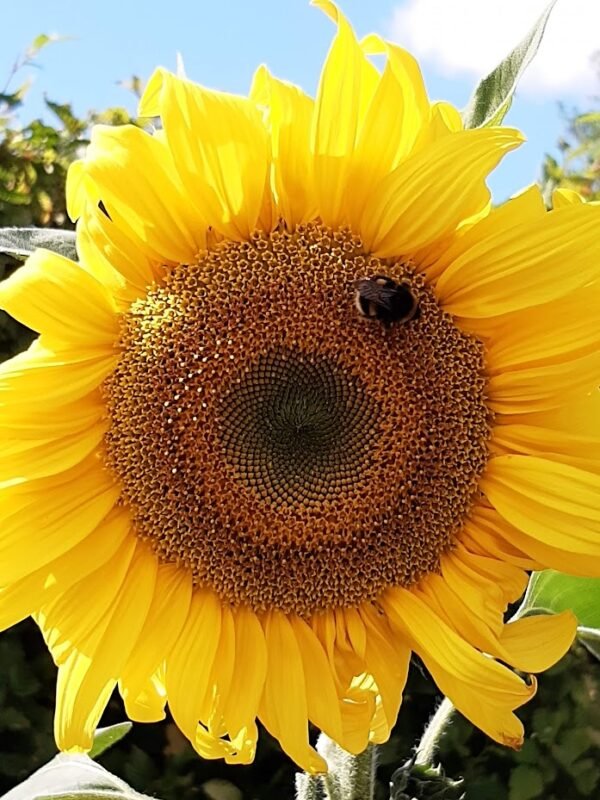
Spring
- Crocus, snowdrops, and primroses provide vital early nectar
- Flowering fruit trees (apple, cherry, plum) are excellent bee food
- Dandelions — resist the urge to mow them! They're a bee lifeline
Summer
- Lavender, borage, foxgloves, and sunflowers
- Herb gardens: thyme, oregano, sage, and chives when allowed to flower
- Wildflower meadow patches — even a square metre helps
Autumn
- Ivy, sedum, and Michaelmas daisies provide late-season forage
- Leave spent flower heads for shelter and seed
General Tips
- Plant in clusters — bees prefer to forage efficiently
- Choose single-petalled flowers over doubles (easier nectar access)
- Avoid pesticides, especially neonicotinoids
- Provide a shallow water source with landing spots (pebbles or corks)
- Leave a patch of bare earth for ground-nesting bees
Supporting Bee Charities
There are many charities who are dedicated to helping the bees, here are just a few of them in no particular order:
The British Bee Charity
Raise funds and promote initiatives to help the welfare of bees by engaging in education activities and training new beekeepers.
Bee Friendly Trust
Creating habitats for honeybees and other pollinators to survive by increasing forage in urban areas.
Bumblebee Conservation Trust
Working to preserve the native bumblebee species by research, influencing environmental policy and conserving bumblebee friendly habitats.
Bees for Development
A global charity promoting sustainable beekeeping to combat poverty, build resilient livelihoods and benefit biodiversity.
Save the Bees Appeal – British Beekeepers Association
Raising money to support efforts in preventing the establishment of the Asian Hornet in the UK — a ruthless predator of the honeybee.
British Beekeepers Association (BBKA)
The UK's leading beekeeping charity, offering training, advice, and research funding.
Buglife
The UK's invertebrate conservation charity, campaigning for all pollinating insects.
The Bee Conservancy
Global organisation working to protect all bee species through education, research, and habitat creation.